- Anxiety and stress
- Grief and bereavement
- Caregiver support
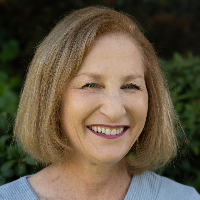
About Amy
Amy has worked across settings including day treatment programs and developmental services. She has long experience with social anxiety and selective mutism, chronic mental illness, and bereavement and end-of-life concerns. She also helps people facing caregiver stress and decisions about independence later in life.
Her approach often blends short-term, solution-focused work with cognitive behavioral ideas and psychodynamic thinking. That means she may teach coping skills, look at patterns that repeat over time, and focus on practical steps to relieve distress. Sessions typically aim to identify immediate goals and build skills to manage symptoms such as panic, low mood, or problem-focused worry.
Amy describes herself as observant and an attentive listener who adapts methods to what a person needs. She uses strategies that draw on a person’s strengths and practical problem solving. This can include focused skill practice for anxiety, working through grief, or planning for caregiver needs.
People often contact her when facing life transitions, role changes in later life, relationship stress, or ongoing mood conditions. To begin, readers are encouraged to use the site's intake flow to match and schedule an initial session.
Areas of expertise
Also works with
Additional focus areas
Therapeutic approaches
Experience
30+ years
Credentials
California, Arizona
Languages
English
How her approaches translate to online work
Amy often uses Cognitive Behavioral Therapy and Client-Centered Therapy in her practice. CBT focuses on identifying unhelpful thought patterns and practicing specific coping skills for anxiety, depression, and SAD. Client-Centered Therapy centers on listening and reflecting so people can sort out feelings and priorities, which can help with grief and life changes.Finding the right approach is part of the first sessions. She will work with a person to decide whether skill-focused CBT, psychodynamic reflection, or short-term solution work best for their goals. That decision is collaborative and can change as needs shift.
Confirm which session formats are available before booking since the biography does not list specific delivery methods. Online work can make it easier to fit sessions into daily life, reduce travel time, allow a shorter check-in when schedules are tight, or avoid being on camera when that helps. Licensed professionals can use these options to support work on anxiety, caregiver stress, bereavement, and other concerns without promising a specific outcome.
Frequently asked questions
What kinds of problems does she address?
She works with stress, anxiety, depression, grief, trauma, ADHD, bipolar concerns, relationship and family issues, parenting, and aging and geriatric issues.
What is her therapeutic style?
She blends client-centered listening with Cognitive Behavioral Therapy and short-term psychodynamic ideas. She also uses solution-focused techniques to set practical goals.
How much experience does she have?
She has practiced for 30 years in a range of clinical settings, including day treatment programs and grief counseling roles.
What credentials and region are listed?
She is an LCSW licensed in Arizona and California and is based in Arizona.
Does she offer sessions in other languages?
Sessions are offered in English.
Can sessions be held remotely or by phone?
Confirm current session formats before booking since the biography does not list specific formats.
How does payment or cost work?
Cost varies with location; sessions use a subscription model that can be canceled at any time.
How do I begin working with her?
Use the See online therapy options button, complete the short matching questionnaire, and schedule a first session.