- Stress and anxiety
- Grief and loss
- CBT and client-centered
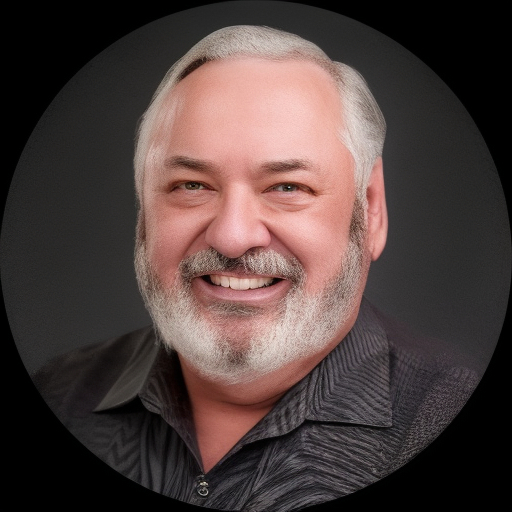
About Albert
He uses an approach that centers the client and draws on cognitive and emotion-focused methods. Sessions include listening, asking clear questions, and helping people notice patterns that keep problems going. He names and works with thoughts, behaviors, and feelings to find practical ways to reduce distress.
Albert also brings existential questions into sessions when clients want that exploration. That can include talking about life purpose, meaning, and beliefs. He offers these conversations at the client's request and respects all spiritual perspectives.
In practice he combines client-centered work with Cognitive Behavioral Therapy and Dialectical Behavior Therapy strategies. That means supporting practical skills such as emotion regulation, distress tolerance, and changes in thinking that affect mood and behavior.
People who come for help can expect straightforward discussion, skill practice, and check-ins on progress. Sessions aim to make everyday life more manageable, whether coping with loss, navigating family tensions, or adjusting to the effects of aging.
He communicates in English and sees clients in Washington. To begin, prospective clients select the See online therapy options button, complete a short matching questionnaire, and schedule a first session.
Areas of expertise
Primary focus
Also works with
Additional focus areas
Therapeutic approaches
Experience
4+ years
Credentials
Washington
Languages
English
Approaches used in online sessions
Client-Centered Therapy focuses on listening and working from the client's own concerns. The therapist offers support, reflection, and questions that help people clarify their goals and feelings. Cognitive Behavioral Therapy (CBT) looks at how thoughts, feelings, and actions connect and teaches practical skills to change unhelpful patterns. Dialectical Behavior Therapy (DBT) adds specific skills for managing intense emotions and improving coping under stress.Finding the right approach is part of the work. The therapist will talk with the client about goals and how different methods might help. Together they decide what to try first and adjust over time based on what works for the person.
Confirm the current online session options before booking since formats were not specified in the biography. Online sessions can make it easier to fit therapy into a busy schedule, reduce travel time, and allow shorter check-ins when needed. They can also support longer skill-building sessions and guided exercises that use the therapeutic approaches described. Licensed professionals will work with clients to match session length and structure to their goals and daily routines.
Frequently asked questions
What concerns does he address?
He works with stress, anxiety, depression, grief, relationship problems, addictions, trauma and related issues. Aging and geriatric issues are listed among his focus areas.
What is his therapeutic style?
He blends client-centered care with cognitive and emotion-focused methods. Sessions include listening, guided questioning, and practical skill building.
How much clinical experience does he have?
He has four years of experience as a practicing clinician. That experience includes work on grief, trauma, addiction, and relationship concerns.
What credentials and location apply?
He is a Washington LMHC and practices in the state of Washington.
Which languages are supported?
Sessions are offered in English.
Can international clients work with him?
He does not accept international clients at this time.
How are sessions billed?
Cost varies with location and sessions use a subscription model that can be canceled at any time.
How do I start a first session?
Select the See online therapy options button, complete a short matching questionnaire, and schedule the first session from the available options.