- Attachment-based work
- Trauma processing
- Mindfulness and motivation
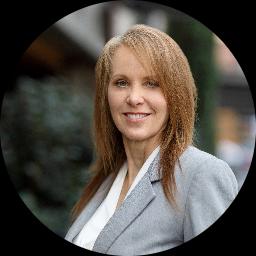
About Tammy
Tammy draws on a mix of practical methods to help people talk through difficult moments. She uses attachment-informed work to look at relationship patterns. She uses emotionally-focused techniques to help people name and respond to strong feelings. For trauma, she includes approaches designed to process painful memories.
Sessions are described as person-centered and collaborative, with attention to what each person needs at the time. She has training and experience related to alternative adult relationships and to sexual health topics, informed in part by work through the Modern Sex Therapy Institute. That background informs how she supports people with kink, BDSM, polyamory, and non-monogamous relationship concerns.
Her practice also includes motivational and mindfulness approaches for people dealing with addiction, process behaviors, chronic pain, or illnesses that affect daily life. She helps people make decisions, cope with change, and manage stress related to midlife and caregiving roles.
Tammy’s profile emphasizes clear communication about goals and next steps. She invites prospective clients to begin by completing a short matching questionnaire and scheduling a first session to see if the fit feels right.
Areas of expertise
Primary focus
Also works with
Additional focus areas
Therapeutic approaches
Experience
12+ years
Credentials
Colorado, Texas, Washington
Languages
English
How her approaches translate to remote work
Dr. Sutterfield commonly draws on emotionally-focused therapy and trauma-focused methods in her work. Emotionally-focused therapy helps people name and respond to strong emotions in relationships, which can ease conflict and improve closeness. Trauma-focused techniques, including EMDR-informed approaches, aim to process distressing memories so they interfere less with daily life and relationships.Finding the right method is treated as a collaborative process. She will talk with each person about goals, symptoms, and preferences and suggest which approaches might fit best. Those decisions are adjusted over time based on how sessions go and what the person needs.
The practical benefits of online sessions include making it easier to fit appointments into busy days and reducing travel time. If you are considering remote work, confirm the specific session formats offered before booking so you know how sessions will be scheduled and billed. Online work can allow for shorter check-ins, regular follow-ups for caregiving or chronic illness management, or focused sessions for trauma processing depending on what is arranged.
Frequently asked questions
What concerns does she help with?
She works with stress, anxiety, grief, depression, trauma and abuse, relationship and intimacy issues, ADHD, addictions, and related concerns. Aging and geriatric issues, caregiver stress, chronic illness, cancer, and midlife changes are also listed focus areas.
How would you describe her therapeutic style?
Her approach is collaborative and person-focused, combining attachment-based work, emotionally-focused methods, trauma processing, mindfulness, and motivational techniques to address emotional and behavioral concerns.
What experience does she bring?
She has twelve years of clinical experience and draws on graduate-level study in clinical psychology and behavioral health alongside clinical work in related areas.
What are her credentials and location?
She is a Licensed Professional Counselor (LPC) practicing in Colorado.
Which languages are supported?
Sessions are offered in English.
Does she work with international clients?
She does not accept international clients at this time.
How are sessions paid for?
Cost varies by location and sessions use a subscription model that can be canceled at any time.
How do I begin a first session?
Start by selecting the See online therapy options button, complete a short matching questionnaire, and schedule a first session through the booking steps.