- Stress and anxiety
- Addictions and recovery
- Grief and loss
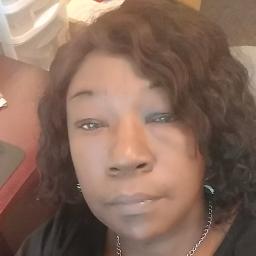
About Shirley
Her style is straightforward and listening-focused. She uses Client-Centered Therapy to follow what each person brings and Cognitive Behavioral Therapy to identify unhelpful thinking and behavior patterns. Dialectical Behavior Therapy skills and mindfulness practice are used when emotional regulation and distress tolerance are needed. Motivational Interviewing supports people who are ambivalent about change.
Shirley draws on two decades working across mental health, developmental disability services, and substance use settings. That background includes helping people with medication management and working with active military members and their families. Those experiences inform practical steps she offers for everyday problems.
Sessions involve talking through current problems, learning specific skills, and setting small achievable goals. She emphasizes education about how thoughts and behaviors connect, and she uses motivational techniques to support change. For people facing later-life transitions, Shirley can address loss, shifts in independence, caregiving strain, and social isolation.
Her approach is plain and direct. She listens, offers concrete strategies, and helps people work toward clearer next steps. English is the language used in sessions.
Areas of expertise
Primary focus
Also works with
Additional focus areas
Therapeutic approaches
Experience
20+ years
Credentials
North Carolina
Languages
English
Therapeutic approaches used for online work
Client-Centered Therapy focuses on listening and understanding each person's concerns. It helps people feel heard and guides the conversation around what matters most to them. Cognitive Behavioral Therapy (CBT) looks at how thoughts and behaviors influence mood and actions. It involves identifying unhelpful thinking patterns and practicing new ways of responding to problems.Choosing the right approach is part of the work. The therapist and client will discuss goals, preferences, and what feels most helpful. Together they decide whether to focus on skill-building with CBT, emotional regulation with DBT skills, or a listening-led client-centered path, and they adjust as needed.
The biography does not specify which online session formats are used, so confirm current options before booking. Online work can make it easier to fit sessions into a busy day, allow a shorter check-in when needed, and reduce travel time. It can also let people use audio-only contacts if they prefer less bandwidth or a quieter setting. These practical benefits can help someone maintain regular sessions while managing caregiving, medical appointments, or other later-life commitments.
Frequently asked questions
What kinds of concerns does she help with?
She works with stress, anxiety, addictions, anger, depression, ADHD, relationship and family issues, trauma and abuse, grief, parenting, and coping with life changes. Aging and geriatric issues are also listed as an area of focus.
What is her therapeutic style?
Her style is listening-focused and practical. She uses client-centered methods alongside CBT, DBT skills, mindfulness, and motivational interviewing to teach skills and set small goals.
How much experience does she have?
She has about 20 years of experience working in mental health, developmental disability services, and substance use settings.
What are her credentials and where does she practice?
She is an LCMHC licensed in North Carolina and practices in that state.
Can sessions be conducted in other languages or internationally?
Sessions are offered in English. She does accept international clients.
What session formats are available?
The original biography does not list specific session formats. Please confirm current session options before booking.
How much do sessions cost?
Cost varies with location and sessions use a subscription that can be canceled at any time.
How do I begin working with her?
Select the See online therapy options button, complete a short matching questionnaire, and schedule a first session.