- CBT
- Motivational Interviewing
- Client-centered
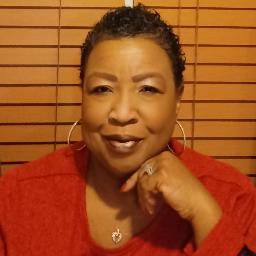
About Sherry
Sherry’s background includes substantial experience in inpatient psychiatric settings and work with older adults. She uses a person-centered way of meeting people and emphasizes listening before offering direction. In sessions she helps people identify problems, set goals, and practice concrete skills that help day-to-day functioning.
Her main methods include Cognitive Behavioral Therapy and Motivational Interviewing, with influences from Client-Centered and Solution-Focused approaches. With CBT she helps people try new ways of thinking and acting to manage symptoms. With Motivational Interviewing she supports people in resolving ambivalence and moving toward clear goals.
Sessions are practical and goal-oriented. Sherry aims to help people improve life skills and coping so daily tasks feel easier. She aims to build rapport and then work toward measurable changes that fit each person’s situation.
Sherry practices in North Carolina and offers services in English. Prospective clients are asked to use the site’s matching questionnaire to schedule a first session and to confirm current session options before booking.
Areas of expertise
Primary focus
Also works with
Additional focus areas
Therapeutic approaches
Experience
32+ years
Credentials
North Carolina
Languages
English
How her approaches translate to online work
Client-Centered Therapy focuses on listening and reflecting what a person says. It helps people feel understood and clarifies goals so practical steps can follow. Cognitive Behavioral Therapy (CBT) teaches people to notice patterns of thinking and try different behaviors. It is often used for anxiety, depression, stress, and managing mood symptoms.Finding the right approach is part of the process. The therapist will work with the person to choose methods that match their needs, goals, and preferences. That decision is collaborative and may shift as progress is made.
This profile does not list specific session formats, so confirm current options before booking. In general, online work can make it easier to fit sessions into a weekly routine, allow shorter check-ins when needed, and reduce travel time. Some people prefer sessions that do not require video, while others choose a longer meeting to practice skills. Discussing practical needs and scheduling constraints helps shape how online sessions are arranged.
Frequently asked questions
What kinds of concerns does she address?
She works with depression, anxiety, anger, bipolar symptoms, grief, stress, self-esteem, and life changes. The profile also lists aging and geriatric issues and caregiver stress.
How would she describe her therapy style?
She uses a person-centered approach that starts with listening and building rapport. Sessions focus on practical steps and skill practice to improve daily functioning.
How much clinical experience does she have?
She has over 32 years of practice, including work in inpatient psychiatric settings and experience with older adults.
What are her credentials and where is she based?
She is an LCSW licensed in North Carolina and provides services from that state.
Does she offer sessions in other languages or internationally?
Sessions are offered in English only and international clients are not currently accepted.
What session formats are available?
The original biography does not specify session formats; please confirm current session options before booking.
How are fees handled?
Costs vary with location and sessions use a subscription that can be canceled at any time.
How do I begin working with her?
Use the site button to view online therapy options, complete the short matching questionnaire, and schedule a first session.