- Stress and anxiety
- Depression and bipolar
- Relationship issues
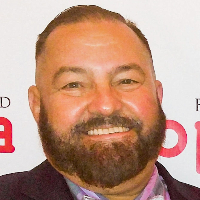
About Moises
Ramy earned a Doctor of Clinical Psychology from Carlos Albizu University, Miami campus, and completed his doctoral internship at the Federal Medical Center in Lexington, Kentucky. His internship included clinical rotations in a crisis wing, a general population unit, and an elective assessing adolescent suicidality at a regional behavioral health system.
Much of his work has been in prisons, rehabilitation centers, community mental health hospitals, and veteran homeless organizations. Those roles exposed him to a wide range of life circumstances and helped shape a non-directive, client-centered outlook. He focuses on practical steps people can take to manage symptoms and daily challenges rather than on abstract theories.
In sessions he uses approaches such as client-centered methods, cognitive behavioral techniques, motivational interviewing, and solution-focused work. That mix is applied to help clients identify patterns, set manageable goals, and practice different ways of responding to stress or relationship problems.
People who seek him out typically want clear, straightforward help with mood, coping, and relationship issues. To get started he asks prospective clients to complete a short matching questionnaire and schedule an initial session.
Areas of expertise
Primary focus
Also works with
Additional focus areas
Therapeutic approaches
Experience
32+ years
Credentials
Florida
Languages
English, Spanish
How his approaches work for remote sessions
Dr. Ramy uses client-centered methods and cognitive behavioral therapy in his work. Client-centered methods focus on listening and reflecting so people can describe what matters most and consider their own solutions. Cognitive behavioral therapy looks at patterns of thought and behavior and practices specific skills to reduce anxiety, depression, and impulsive reactions.He also draws on motivational interviewing and solution-focused techniques when useful. Motivational interviewing helps people clarify their own reasons for change and build motivation. Solution-focused work emphasizes small, practical steps and short-term goals to produce noticeable improvement in daily life.
Figuring out which mix of approaches fits is part of the first sessions. He works collaboratively with each person to decide what methods and goals make sense based on needs and preferences. That means adapting pace, focus, and exercises as therapy progresses.
The biography does not specify which session formats are offered, so confirm current options before booking. Online work can make it easier to fit sessions into your routine, reduce travel time, allow shorter check-ins when needed, and offer more scheduling flexibility. Talk with him about how sessions can fit into your days and what approach you prefer.
Frequently asked questions
What kinds of problems does he help with?
He works with stress, anxiety, depression, bipolar disorder, relationship and intimacy concerns, trauma and abuse, addictions, parenting challenges, LGBT issues, and aging and geriatric issues.
What is his therapeutic style?
He practices client-centered work combined with cognitive behavioral techniques, motivational interviewing, and solution-focused strategies to set goals and try practical changes.
How much experience does he have?
He has 32 years of clinical experience across prisons, rehabilitation centers, hospitals, and veteran homeless organizations.
What are his credentials and where is he based?
He is a Florida LMHC and is based in Florida.
Does he work in languages other than English?
Sessions are offered in English and Spanish.
Can people outside the United States meet with him?
He accepts international clients.
How does payment and cost work?
Cost varies with location; sessions use a subscription that can be canceled at any time.
What should I do to start therapy?
Select the See online therapy options button, complete a short matching questionnaire, and schedule a first session.