- Client-centered methods
- Cognitive behavioral work
- Motivational interviewing
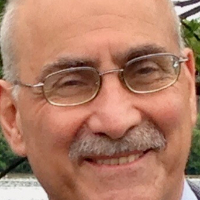
About Michael
He has provided individual, family, and group counseling in office, in-home, and institutional settings. His background includes work with trauma and abuse, both with survivors and with people who have committed abusive acts, and experience addressing bipolar disorder and other mood concerns.
Michael emphasizes a client-centered approach where the person sets the pace and goals. He combines client-centered methods with cognitive behavioral techniques and motivational interviewing to help people notice patterns, set practical goals, and try small changes between sessions.
He often works with men who prefer a direct, goal-focused style and want help clarifying next steps. Sessions typically focus on concrete strategies for coping with life changes, managing mood, and improving relationships and day-to-day functioning.
With decades of practice, he draws on a range of approaches to fit each person’s needs. People who contact him can expect straightforward conversation about goals, practical options to try, and regular check-ins on how those options are working.
Areas of expertise
Primary focus
Also works with
Additional focus areas
Therapeutic approaches
Experience
40+ years
Credentials
Missouri
Languages
English
Approaches used in online sessions and what they do
Michael uses client-centered therapy and cognitive behavioral therapy as primary tools. Client-centered therapy focuses on listening, following the client’s lead, and helping people clarify what matters most to them. Cognitive behavioral therapy looks at thoughts and behaviors that keep problems going and tests practical changes to reduce anxiety, depression, or mood swings.He also draws on motivational interviewing to help people find personal reasons to change and set manageable goals. That approach is useful for addictions, behavior change, and when someone feels stuck about next steps. The therapist and client work together to decide which methods to use based on the person’s goals and preferences.
If you plan to use online sessions, confirm the specific session formats before booking since current options are not listed here. Online work can make it easier to fit therapy into a busy day, reduce travel time, and allow shorter check-ins when needed. It also lets people try strategies between meetings and report back quickly so sessions stay practical and focused.
Frequently asked questions
What kinds of problems does he help with?
He works with stress, anxiety, depression, bipolar disorder, grief, addictions, relationship and family issues, intimacy-related concerns, and aging and geriatric issues.
What is his therapeutic style?
He uses a client-centered approach that lets the person lead the session, combined with cognitive behavioral methods and motivational interviewing for practical goal work.
How much experience does he have?
He has about 40 years of experience in family, individual, and group counseling across office, home-based, and institutional settings.
What credentials and where does he practice?
He is an LCSW licensed in Missouri and practices there.
Which languages are supported?
Sessions are offered in English.
Can international clients work with him?
He does not accept international clients.
How are sessions paid for?
Cost varies with location; sessions use a subscription that can be canceled at any time.
How do I begin working with him?
Select the See online therapy options button, complete the short matching questionnaire, and schedule a first session.