- Stress and anxiety
- Family communication
- Sleep and grief
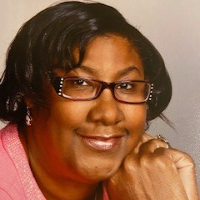
About Mariel
She uses a person-centered approach alongside cognitive behavioral ideas. That means she listens, supports clients in setting their own goals, and uses practical strategies to change thoughts and behaviors that get in the way of daily life. She names Acceptance and Commitment Therapy, Emotionally-Focused Therapy, and existential ideas among the methods she draws on.
Dr. Moore has worked in inpatient and outpatient substance use settings and in private practice. Her background includes collaborating with physicians to support patients managing serious illnesses and adjusting care alongside medical treatment. She also notes experience with LGBTQ relationships, grief, and coping after trauma.
Sessions focus on clear goals and steady progress from meeting to meeting. She uses individual treatment plans and updates approaches with current research materials. For people juggling caregiving, health changes, or family disputes later in life, the work emphasizes practical steps and improved communication.
To begin, visitors follow the site process to match and schedule an initial session. The profile states services are offered in English and that international clients are not currently accepted.
Areas of expertise
Primary focus
Also works with
Additional focus areas
Therapeutic approaches
Experience
8+ years
Credentials
Alabama
Languages
English
How her approaches shape online sessions
Acceptance and Commitment Therapy (ACT) focuses on helping people notice thoughts and feelings without getting stuck, and then commit to actions that match their values. It is useful for stress, anxiety, and life changes. Cognitive Behavioral Therapy (CBT) looks at the links between thoughts, feelings, and behaviors and teaches practical exercises to reduce symptoms and improve daily functioning. Emotionally-Focused Therapy (EFT) concentrates on emotions and interaction patterns in relationships, helping improve communication and connection.Choosing an approach is collaborative. The therapist will work with the client to identify goals, try methods that fit those goals, and adjust the plan over time. That means sessions can change focus as needs and preferences become clearer.
The profile does not list specific online session formats, so confirm current session options before booking. Online work can make it easier to fit sessions into busy days, shorten check-ins when needed, and remove travel time. It can also allow meetings during a caregiver's break or between medical appointments. Licensed professionals can use these sessions to practice skills, review behavioral experiments, and support coping during transitions without promising a particular format.
Frequently asked questions
What kinds of problems does she work with?
She works with stress, anxiety, depression, trauma and abuse, relationship and family concerns, sleep problems, parenting, career issues, bipolar disorder, and compassion fatigue, among other areas.
How would she describe her therapy style?
Her approach is person-centered with cognitive behavioral elements. She helps clients set goals and uses practical strategies to support change.
What is her professional background?
She has eight years of counseling experience and has worked in inpatient and outpatient substance use settings as well as private practice. She has collaborated with physicians to support patients with serious illnesses.
Where is she licensed and practicing?
She holds an LPC credential in Alabama and practices there.
Which languages are supported in sessions?
Sessions are offered in English.
Can international clients work with her?
She is not currently accepting international clients.
How are sessions paid for and how much do they cost?
Cost varies by location and sessions use a subscription model that can be canceled at any time.
How do I begin working with her?
Use the See online therapy options button, complete a short matching questionnaire, and then schedule a first session.