- Stress and anxiety
- Caregiver support
- EMDR and hypnotherapy
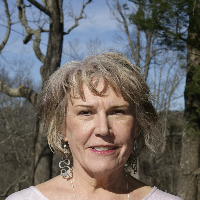
About Lois
She uses a person-centered approach that starts with a thorough intake. That intake covers family and personal history, current concerns, and strengths. From there she and the client develop a plan that often includes behavioral steps and homework. Clients are expected to take an active role in sessions and in between meetings.
Lois integrates cognitive behavioral strategies and Acceptance and Commitment Therapy to help people change unhelpful thinking and build values-based action. She also works with Eye Movement Desensitization and Reprocessing, hypnotherapy, and Emotional Freedom Technique when appropriate and agreed on after a full explanation. These methods are used alongside talk work, role-play, and esteem-building exercises.
She has a Master of Science in Counseling Psychology from Nova Southeastern University, earned in 1984, and has held licensure in Florida for over 25 years before practicing in North Carolina. Her background includes teaching and supervising prospective counselors at Palm Beach State College.
In sessions she focuses on practical steps clients can try between meetings. Clients leave with clear behavioral tasks, coping tools, and skills to manage difficult feelings and life transitions. She works in English and does not accept international clients.
Areas of expertise
Also works with
Additional focus areas
Therapeutic approaches
Experience
35+ years
Credentials
North Carolina, Florida
Languages
English
How her approaches translate to online sessions
Acceptance and Commitment Therapy (ACT) focuses on noticing thoughts and choosing actions that match personal values. It can help when anxiety, depression, or life changes make it hard to move forward. Cognitive Behavioral Therapy (CBT) looks at how thoughts affect feelings and behavior, and uses practical exercises and homework to change unhelpful patterns. Eye Movement Desensitization and Reprocessing (EMDR) addresses distress tied to traumatic memories through guided processing and can reduce the intensity of those memories.Deciding which approach to use is collaborative. The therapist will review your history, current goals, and preferences with you. Together you will try methods and adjust the plan based on what helps most, combining talk work with behavioral tasks and brief exercises between sessions.
If you are considering online work, confirm the session formats before booking so you know what is offered. Online sessions can make it easier to fit therapy into a week, shorten travel time, and allow a quicker check-in when schedules are tight. They also let the therapist assign and review homework, practice role-play, and use guided exercises such as EMDR or hypnotherapy when appropriate and agreed upon. Confirm the exact online options available with the practitioner before scheduling.
Frequently asked questions
What concerns does she address related to later life?
She works with coping with life changes, aging and geriatric issues, caregiver stress, grief, and relationship and intimacy questions common later in life.
What is her therapeutic style?
She follows a person-centered orientation combined with practical techniques. Sessions include discussion, behavioral steps, role-play, and homework assignments.
How much experience does she have?
She has 35 years of professional experience, including teaching and supervising counselors at Palm Beach State College.
Which credentials and location apply to her practice?
She holds LCMHC and LMHC credentials and practices in North Carolina, with prior licensure history in Florida.
Which languages does she use in sessions?
Sessions are offered in English.
Does she work with people outside the United States?
She does not accept international clients.
How are session costs handled?
Cost varies by location and sessions use a subscription model that can be canceled at any time.
How do I begin working with her?
Use the See online therapy options button, complete the short matching questionnaire, and schedule a first session.