- Stress and anxiety
- Grief and loss
- CBT and DBT skills
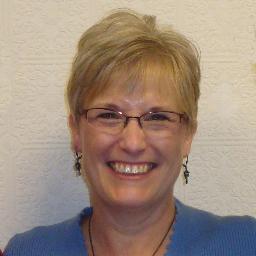
About Karen
Her approach centers on the person in front of her. She uses client-centered methods to hear what matters most and to build a working plan around those priorities. Practical skills from cognitive behavioral therapy and dialectical behavior therapy are used to manage difficult moods, anxiety, and impulsive reactions.
Karen integrates Acceptance and Commitment Therapy ideas to help people notice what matters and take small steps toward chosen values. Attachment-based work looks at how early and current relationship patterns influence trust, closeness, and communication. Mindfulness and psychoeducation are layered in so clients can learn tools that fit day-to-day life.
Sessions address both emotional patterns and everyday problems. For someone adjusting to retirement, caregiving, or health changes, she combines skills training with attention to grief, meaning, and changing roles. For substance use or domestic violence histories, therapy includes safety-focused conversations and relapse prevention planning when appropriate.
Karen works in English and practices in Arizona as an AZ LCSW and UT LCSW. Her account uses a subscription model that can be canceled at any time, and readers should follow the site steps to complete a short questionnaire and schedule a first session.
Areas of expertise
Primary focus
Also works with
Additional focus areas
Therapeutic approaches
Experience
14+ years
Credentials
Arizona, Utah
Languages
English
How her approaches translate to online work
Acceptance and Commitment Therapy (ACT) helps people clarify what matters to them and take small, value-driven steps despite difficult thoughts or feelings. It is useful for life transitions, grief, and motivation to change. Cognitive Behavioral Therapy (CBT) focuses on identifying unhelpful thoughts and testing them with practical experiments and behavior changes, which can reduce anxiety and mood symptoms. Attachment-Based Therapy looks at patterns of relating and helps people improve communication, trust, and closeness in relationships.Choosing the right approach is part of the work. Karen will help clients and their families decide which methods fit their goals and preferences. That decision is collaborative and can change over time as needs evolve.
The original biography confirms she offers individual counseling but does not list specific online formats here, so please confirm the session options before booking. Online sessions can make it easier to fit therapy into a busy day, allow shorter check-ins when needed, and remove travel time for people managing health appointments. Some therapeutic exercises and skills training adapt well to remote sessions, while other issues may require different pacing; the therapist and client will choose what works best together.
Frequently asked questions
What concerns does she address related to later life?
She lists aging and geriatric issues along with grief, coping with life changes, and caregiving strains among her focus areas.
What is her therapeutic style?
She practices in a client-centered, integrative way, combining approaches like CBT, DBT, ACT, and attachment-based work to teach practical skills and address relationship patterns.
How much clinical experience does she have?
She has 14 years of experience working in a variety of counseling settings with individuals facing mood instability, trauma history, substance use, and related issues.
Where is she licensed and practicing?
She is a Licensed Clinical Social Worker with credentials listed as AZ LCSW and UT LCSW and practices in Arizona.
In what language are sessions offered?
Sessions are offered in English.
What session formats are available?
The original profile lists individual counseling but does not specify exact session formats; please confirm the current session options before booking.
How are sessions billed?
Sessions use a subscription that can be canceled at any time and cost varies with location.
How do I begin working with her?
Use the See online therapy options button, complete the short matching questionnaire, and schedule a first session.