- Stress and anxiety
- Grief and loss
- Gender and sexuality
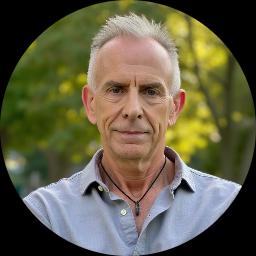
About George
He uses straightforward, person-focused therapy to talk through what matters most to each client. Sessions tend to focus on clear goals, practical skills, and understanding how past patterns affect current choices. He draws on cognitive behavioral techniques to change unhelpful thoughts, and on narrative approaches to make sense of life stories.
Many clients come for help with loneliness, life purpose, or the strain of caring for a partner. He also supports people navigating gender dysphoria, prejudice, and non-monogamous relationships. Hospice and end-of-life concerns are another area he addresses when a person wants that kind of support.
George combines emotional reflection with skill-building. That can mean learning coping techniques, practicing communication, or trying new ways to manage intense emotions. The work is collaborative - the person and therapist set goals together and review progress as they go.
He practices in California and conducts therapy in English. People who choose to start working with him begin by completing a short matching questionnaire and scheduling a first session through the practice intake process.
Areas of expertise
Primary focus
Also works with
Additional focus areas
Therapeutic approaches
Experience
10+ years
Credentials
California
Languages
English
How his approaches translate to remote sessions
Client-Centered Therapy focuses on listening and reflecting back what a person says so they feel heard and can clarify goals. It helps when someone is sorting values, identity, or personal choices.Cognitive Behavioral Therapy (CBT) looks at the link between thoughts, feelings, and actions. It uses practical exercises to change unhelpful thinking and to build new coping habits for anxiety, stress, or mood shifts.
Dialectical Behavior Therapy (DBT) offers specific skills for managing strong emotions and improving relationships. It can be useful for people who need tools for intense mood swings or crisis coping.
Choosing the right approach is part of the work. The therapist will talk with the person about goals, preferences, and what has or hasn't worked before. Together they decide which methods to try and adjust the plan as progress is reviewed.
Session formats should be confirmed before booking since the biography does not list specific options. In general, remote therapy can make it easier to fit sessions into a busy day, reduce travel time, and allow for shorter check-ins or sessions that don't require video. Confirm the available session types when you complete the matching questionnaire so appointments can be scheduled to fit practical needs.
Frequently asked questions
Which concerns does he address?
He works with stress, anxiety, grief, relationship and intimacy issues, addictions, bipolar disorder, and matters related to sexuality and gender identity. He also lists aging and geriatric issues and end-of-life counseling among his focus areas.
What is his therapeutic style?
He uses client-centered work combined with cognitive behavioral therapy, dialectical behavior therapy, motivational interviewing, and narrative techniques. Sessions focus on practical skills, understanding patterns, and personal meaning.
How much experience does he have?
He has 10 years of professional experience as a clinical social worker. That experience is used to support a range of life transitions and emotional concerns.
What credentials and region apply?
He is a California LCSW. His practice is based in California.
Which languages are supported?
Sessions are offered in English.
Does he work with international clients?
He does not accept international clients at this time.
How much does therapy cost?
Cost varies with location; sessions are billed through a subscription model that can be canceled at any time. Pricing details are provided during intake.
How do I begin working with him?
Start by selecting the See online therapy options button, completing a short matching questionnaire, and scheduling a first session. That begins the intake and matching process.