- Stress and anxiety
- Aging and geriatric issues
- CBT and client-centered work
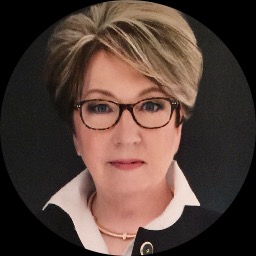
About Carole
She draws on clear, practical methods in sessions. Conversations focus on identifying what matters, naming unhelpful patterns, and trying small changes that can make daily life easier. Clients can expect direct feedback and a collaborative tone that honors their own priorities and strengths.
Her background includes many years in health care leadership followed by a career in counseling. That mix shaped a problem-solving style that values both life experience and evidence-informed approaches. Her role is to help people find workable steps forward rather than to prescribe a one-size-fits-all plan.
Sessions often address patterns rooted in family of origin, codependency, commitment and communication problems, and somatization. She also assists people coping with domestic violence histories and those seeking clarity about life purpose during later stages of life.
Carole uses Client-Centered Therapy, Cognitive Behavioral Therapy (CBT), and elements of the Gottman Method where relationship skills are relevant. She asks questions, sets goals with clients, and tracks changes over time. To begin, readers should confirm current session options before booking.
Areas of expertise
Primary focus
Additional focus areas
Therapeutic approaches
Experience
17+ years
Credentials
Michigan
Languages
English
How her approaches translate to online work
Client-Centered Therapy focuses on listening and following what matters most to the person. Online sessions using this approach keep the person's goals at the center and build on their own strengths. Cognitive Behavioral Therapy, or CBT, looks at thoughts and behaviors that keep problems going and tests small changes to see what helps. CBT is often used for anxiety, depression, and stress management. The Gottman Method concentrates on practical relationship skills and communication techniques when those issues are part of the work.Finding the best approach is part of the therapy process. The therapist will talk with the client about goals and preferences and suggest which method or combination seems most useful. That decision is collaborative and can change as progress is made.
Specific session formats are not listed in the biography, so confirm current options before booking. In general, online work can make it easier to fit sessions into a routine, reduce travel time, and allow shorter check-ins when schedules are tight. It also lets people continue therapy while managing health or caregiving responsibilities. Licensed professionals adapt these approaches to suit each person's needs and day-to-day life.
Frequently asked questions
What concerns does she work with?
She helps people with stress, anxiety, trauma and abuse, self-esteem, depression, and coaching. Additional focus areas include aging and geriatric issues, hospice and end-of-life counseling, and family-related concerns.
What is her therapeutic style?
Her style is practical and collaborative. She uses clear questions and goal-setting to help people try small, workable changes.
How much experience does she have?
She has 17 years of experience as a licensed counselor in Michigan and prior experience as a health care executive.
What are her credentials and where is she based?
She is an LPC - Licensed Professional Counselor - practicing in Michigan.
Does she offer sessions in other languages?
Sessions are offered in English.
Can sessions be conducted remotely or by phone?
Current session formats are not specified here; please confirm the available session options before booking.
How does billing and cost work?
Cost varies with location; sessions use a subscription that can be canceled at any time.
How do I begin working with her?
Select the See online therapy options button, complete the short matching questionnaire, and schedule a first session.