- Jungian and dream work
- Narrative therapy
- Mindfulness techniques
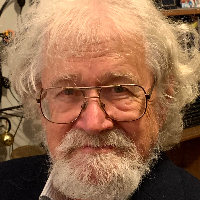
About Bruce
He uses narrative approaches to help people tell the stories that shape their lives. Sessions often look at personal history, recurring patterns, and meaningful moments. He also draws on Jungian ideas for working with dreams and symbols, and on mindfulness techniques to manage stress in day-to-day life.
Barrett’s background includes work as an Associate Psychologist in New Hampshire and Massachusetts and years as a Certified Alcoholism Counselor. He brings 40 years of sobriety to his understanding of addiction and recovery. That experience informs straightforward, practical conversations about drinking and substance use.
He has a long interest in supporting people on the Autism spectrum and those who grew up in military or overseas settings. He describes listening closely to family stories and cultural context as part of how he helps people untangle difficult patterns.
In sessions he mixes storytelling, focused attention on felt experience, and reflection on recurring life themes. His aim is to help people make sense of difficult events, find options for change, and practice stress management techniques that are useful in everyday life.
Areas of expertise
Also works with
Additional focus areas
Therapeutic approaches
Experience
40+ years
Credentials
Massachusetts
Languages
English, German
How his therapeutic approaches adapt to online work
Jungian-based work focuses on symbols, dreams, and personal images. It helps people explore deeper themes that come up in later-life transitions, grief, and meaning-making. Narrative therapy treats life events as stories people tell; it helps reframe painful chapters and find different ways to live with change.Mindfulness practices teach simple attention exercises and stress management skills. These techniques are used to reduce anxiety, improve focus, and support coping during health changes or caregiving responsibilities. Each approach is presented in plain exercises and discussion so people can try what fits them.
Finding the right mix of approaches is a collaborative process. The therapist will work with the person to decide which ideas to emphasize based on their goals, history, and what feels helpful. That shared planning can be revisited as needs change.
The biography does not list specific session formats, so confirm current session options before booking. Online work can make it easier to fit sessions into a busy day, allow shorter check-ins when needed, and reduce travel time to appointments. Licensed professionals can use the methods above in remote sessions to support coping with retirement, caregiving, grief, addiction recovery, and age-related life changes.
Frequently asked questions
What kinds of concerns does he help with?
He works with stress, anxiety, addictions, trauma, depression, grief, relationship issues, anger, career and life changes, ADHD, and aging-related concerns.
What is his therapeutic style?
He uses narrative methods to examine life stories, with Jungian work for dreams and mindfulness for stress management. Sessions focus on practical steps and personal meaning.
How much experience does he have?
He has been working in counseling roles for about 40 years, including licensure work and earlier positions as an associate psychologist.
What are his credentials and where is he based?
He holds an MA and practices as an LMHC in Massachusetts.
Which languages does he use in sessions?
Sessions are offered in English and German.
Are international clients accepted?
He does not accept international clients at this time.
How are sessions paid for?
Cost varies by location and sessions use a subscription that can be canceled at any time.
How do I begin working with him?
Select the See online therapy options button, complete a short matching questionnaire, and schedule a first session.