- Anxiety and depression
- Aging related concerns
- CBT and mindfulness
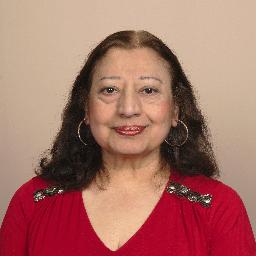
About Anila
Her background includes running a private practice and holding contracts with various agencies. She has experience in office management, providing consultations, and supervising interns. Over the years she has assessed and managed a range of mental health and dual-diagnosis presentations in adults and adolescents.
In sessions she draws on client-centered work alongside cognitive behavioral approaches and dialectical behavior ideas. Mindfulness and emotionally focused strategies also appear in her toolkit. That means conversations may cover coping skills, behavior changes, and ways to notice and work with difficult emotions.
She describes working with trauma, mood disorders, obsessive-compulsive problems, PTSD, and personality concerns, and she notes experience with both mental health and substance use issues. Practical problems such as sleep, eating, parenting stress, and anger are also part of her caseload.
People who come to her can expect straightforward treatment planning and a focus on concrete steps to manage symptoms and daily routines. She welcomes clients who prefer sessions in English, Punjabi, or Urdu and those who are coming from outside the United States as well.
Areas of expertise
Primary focus
Also works with
Additional focus areas
Therapeutic approaches
Experience
36+ years
Credentials
Georgia
Languages
English, Punjabi, Urdu
How her approaches translate to online work
Client-centered therapy focuses on the client’s perspective and emphasizes listening and collaboration. Online sessions using this approach help people talk through current problems, set goals, and decide practical next steps for daily life.Cognitive behavioral therapy (CBT) in an online setting concentrates on identifying unhelpful thoughts and testing small behavioral changes. It is often used for anxiety, depression, sleep and eating concerns, and managing mood swings.
Dialectical behavior therapy (DBT) contributes skills for emotion regulation, distress tolerance, and clearer communication. In remote sessions these skills can be taught, practiced, and adapted to the events that come up between appointments.
Finding the right approach is part of the work together. The therapist will review needs, goals, and preferences and will suggest which methods to emphasize. That decision is collaborative and can shift as progress is made.
Session formats are not listed in the original biography, so confirm current options before booking. Online meetings can make it easier to fit therapy into daily life - for example, shorter check-ins during a work break, avoiding travel time, or choosing a phone session when bandwidth is limited. Licensed professionals can adapt exercises and homework so they work across different session types.
Frequently asked questions
What issues does she work with?
She works with stress, anxiety, depression, addictions, grief, relationship and intimacy-related issues, and aging and geriatric issues among other concerns.
What is her therapy style?
Her work blends client-centered methods with cognitive behavioral and dialectical behavior ideas, plus mindfulness and emotionally focused techniques when useful.
How long has she been practicing?
She brings 36 years of experience in mental health and substance use care, including private practice and agency work.
What are her credentials and where is she located?
She is a Licensed Professional Counselor (LPC) in Georgia.
Which languages does she offer sessions in?
Sessions are offered in English, Punjabi, and Urdu.
Can international clients work with her?
She accepts international clients.
How are fees handled?
Cost varies by location and sessions use a subscription that can be canceled at any time.
How do I begin if I want to work with her?
Select the See online therapy options button, complete the short matching questionnaire, and schedule a first session.