- Stress and anxiety
- Addiction recovery
- Communication skills
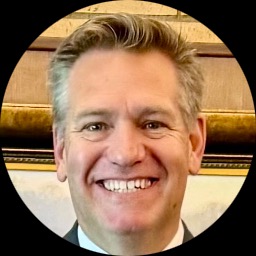
About Adam
Over his career he has helped people with communication problems, control issues, and attachment patterns that affect relationships. He talks through practical steps for addiction and recovery, including drug and alcohol concerns and smoking cessation. He also addresses eating and food-related worries, guilt and shame, and questions about life purpose.
Adam works with individuals across the lifespan, including older adults facing changes in health, routines, or roles. He offers direct, problem-focused conversations about divorce and separation, fatherhood and parenting strains, and family-of-origin wounds.
He also supports people who identify as neurodivergent, including autism and Asperger Syndrome, and helps with social anxiety and avoidant personality patterns. Sessions include clear discussion of goals and practical skills to manage daily challenges.
His style emphasizes straightforward listening and collaborative problem-solving. People can expect focused conversations aimed at understanding current patterns and trying strategies that can be practiced between sessions. To begin, clients follow the site's process to match and schedule a first appointment.
Areas of expertise
Primary focus
Additional focus areas
Experience
25+ years
Credentials
Utah
Languages
English
How therapeutic approaches fit into online work
Evidence-based techniques and problem-focused work are central to his practice. One common approach focuses on identifying patterns in relationships and behavior, then trying concrete strategies to change those patterns. This can help with communication problems, anger, and family conflict.Another approach emphasizes practical skills for managing anxiety and addictive behaviors. Sessions often teach step-by-step tools people can use between meetings to reduce cravings, lower stress, and manage urges or avoidance behaviors. These methods are useful for substance use, smoking cessation, and daily coping with anxiety.
Finding the right approach is part of the process. The therapist will work collaboratively with each person to decide which methods to try based on needs, goals, and preferences. That collaborative process can include adjusting techniques as progress is tracked.
The benefits of remote sessions often include fitting therapy into a busy schedule, shorter check-ins when needed, and easier access when travel is difficult. The original biography does not list specific session formats, so confirm the exact online and in-person options before booking. Sessions are arranged through the site matching and scheduling process so people can select times that work with their routines.
Frequently asked questions
What concerns does he address related to later life?
He works with aging and geriatric issues alongside stress, anxiety, family conflict, and parenting concerns.
What is his general approach in sessions?
He uses practical problem-solving and straightforward listening to clarify goals and try workable strategies.
How much clinical experience does he have?
He has 25 years of experience working with adults on addictions, family issues, and life transitions.
What credential does he hold and where is he based?
He is an LMFT licensed in Utah and practices with clients in that state.
Does he work in languages other than English or with international clients?
Sessions are offered in English and he is not currently accepting international clients.
Which session formats are available?
The original biography does not list specific session formats. Please confirm current session options before booking.
How is payment handled and what does it cost?
Cost varies with location and sessions use a subscription that can be canceled at any time.
How do I begin working with him?
Select the See online therapy options button, complete a short matching questionnaire, and schedule a first session.