- Stress and anxiety
- Relationship issues
- Aging and end-of-life
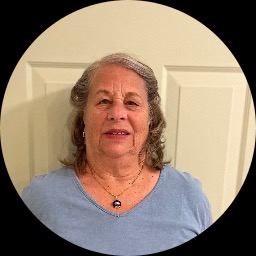
About Willow
She has professional experience that includes roles as a school psychologist and long-term clinical work with teens and adults. Over the years she has engaged with movement-based approaches such as dance movement and authentic movement, and she pays attention to how the body and emotions relate to one another.
Willow uses several therapeutic approaches in her work, including attachment-based perspectives, client-centered methods, cognitive behavioral techniques, existential ideas, and Imago relationship concepts. In sessions she listens for personal strengths and life patterns, and she helps people try practical steps to reduce distress and improve daily functioning.
Her style emphasizes clear, respectful conversation about what is causing problems now and what can be tried next. She helps clients name their priorities, practice new ways of responding, and notice how thoughts, feelings, and behavior interact. This includes attention to relationships and to the ways aging, loss, and health changes can affect mood and role changes.
People who contact her can expect straightforward work focused on real-life concerns. She asks about practical goals, suggests exercises to practice between sessions, and reviews progress so plans can be adjusted as needed.
Areas of expertise
Primary focus
Additional focus areas
Therapeutic approaches
Experience
35+ years
Credentials
Maine
Languages
English
How Willow’s approaches translate to online work
Willow commonly draws on attachment-based ideas and cognitive behavioral techniques in her work. Attachment-based approaches focus on the ways early and current relationships shape how people relate now, which can help when relationship patterns or anxiety are causing distress. Cognitive behavioral therapy (CBT) looks at thought patterns and behavior, and uses short exercises to test new ways of responding to stress and mood changes.Finding the right approach is part of the work. Willow will talk with each person about goals, preferences, and what feels useful. Together they decide which methods to try and adjust plans based on what helps most in day-to-day life.
Confirm the current session options before booking. The practical benefits of remote sessions are discussed in terms of fitting therapy into a busy life - for example shorter check-ins, avoiding travel time, or choosing interactions that suit hearing or movement needs. These practical choices help make it easier to keep appointments and practice suggested exercises between meetings.
Frequently asked questions
What problems does she help with?
She works with stress, anxiety, relationship difficulties, trauma and abuse, anger, and self-esteem concerns. She also focuses on aging and geriatric issues and hospice and end-of-life counseling.
What is her therapeutic style?
She combines client-centered listening with techniques from attachment work and cognitive behavioral approaches. Sessions emphasize practical steps and attention to how thoughts, feelings, and behavior interact.
How long has she been practicing?
She has 35 years of professional experience, including work as a school psychologist and long-term clinical practice with teens and adults.
What are her credentials and where is she based?
She is a Maine Licensed Clinical Professional Counselor (ME LCPC) practicing in Maine.
What languages are supported?
Sessions are offered in English.
Can she work with people outside the United States?
She does not accept international clients at this time.
How are fees handled?
Cost varies with location; sessions use a subscription that can be canceled at any time.
How do I begin a first session?
Select the See online therapy options button, complete a short matching questionnaire, and schedule a first session.