- CBT techniques
- Mindfulness practice
- Motivational interviewing
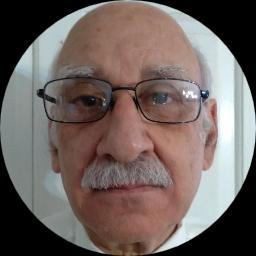
About Thomas
He frames many problems as coming from excessive rumination and self-talk. That view shapes how he works: identifying repetitive thinking patterns and testing whether they match everyday results. He combines talk-based techniques with practical exercises aimed at changing thoughts and behaviors. He also draws on his background in pharmacology to help people distinguish medication and physical-health effects from psychological symptoms.
Movement and outdoor activity are part of his approach when appropriate. He has used experiential exercises tied to exercise and outdoor pursuits to help clients practice new skills. He also helps people find alternatives when injury or life change makes past activities harder to continue.
Sessions are structured around clear skills work and problem-solving. He uses methods drawn from cognitive behavioral therapy, dialectical behavior therapy, mindfulness, motivational interviewing, and somatic therapy to teach concrete skills. The focus is on identifying what is getting in the way now and what can be changed in practical steps.
Dr. Tashjian aims to match techniques to the person’s needs and goals. He is experienced with a wide range of clinical presentations and with the interplay of physical health, medication, and mood. For more background he maintains a public professional profile online.
Areas of expertise
Primary focus
Also works with
Additional focus areas
Therapeutic approaches
Experience
33+ years
Credentials
Massachusetts
Languages
English
Online approaches and how they are used
Dr. Tashjian draws on cognitive behavioral therapy and mindfulness therapy as core parts of his work. Cognitive behavioral therapy focuses on identifying and changing thoughts and behaviors that keep problems going. It is often used for anxiety, depression, sleep problems, and patterns like rumination. Mindfulness therapy teaches simple awareness skills to reduce reactivity and improve focus, which can help with stress, anger, and sleep.He also uses elements of dialectical behavior therapy to teach emotion regulation and distress tolerance, and motivational interviewing to support change when motivation is mixed. That combination gives a mix of skill teaching, behavioral experiments, and conversational techniques to help people make practical changes. Finding the best mix is collaborative; the therapist will work with the person to decide which approaches fit their goals and daily life.
Confirm session formats before booking because the biography does not list them. In general, online sessions can make it easier to fit therapy into a routine, allow shorter check-ins when needed, and reduce travel time. They can also allow practices such as brief behavioral experiments or mindfulness exercises to be reviewed between meetings, helping skills carry over into everyday life.
Frequently asked questions
What kinds of problems does he work with?
He helps with stress, anxiety, anger, mood disorders including bipolar and depression, ADHD, addictions, trauma, grief, sleep problems, parenting concerns, self-esteem, and coping with life changes. Aging and geriatric issues are listed among his additional focus areas.
How would you describe his therapeutic style?
He uses skills-based work focused on thinking patterns and behavior change. Expect practical exercises, attention to thought habits, and methods to test what actually improves daily functioning.
What is his clinical experience?
He has 33 years of clinical experience and combines psychological work with knowledge of pharmacology to separate medication or physical-health effects from psychological symptoms.
What are his credentials and where is he located?
He holds the credential MA Psychologist 3022 and practices in Massachusetts.
Does he see people who speak other languages or people abroad?
Sessions are offered in English. He is not currently accepting international clients.
What session formats are offered?
Please confirm current session options before booking, as the biography does not specify which formats are used.
How much do sessions cost?
Cost varies with location and sessions use a subscription that can be canceled at any time.
How do I begin working with him?
Use the See online therapy options button, complete the short matching questionnaire, and schedule a first session.