- CBT techniques
- DBT skills
- Mindfulness practice
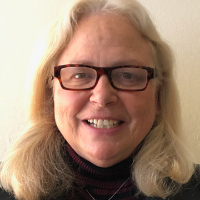
About Robin
She describes a direct and transparent style. Sessions are led by the client while she offers guidance and practical tools. Common early steps include mapping current problems, identifying what feels out of control, and choosing concrete skills to try between meetings.
Robin draws on client-centered therapy together with cognitive behavioral techniques and skills from dialectical behavior therapy. She also uses mindfulness, motivational interviewing, grounding and relaxation exercises. These methods are applied in simple, task-focused ways such as emotion regulation practice, coping skills, and communication strategies.
Work with her often focuses on setting boundaries, improving mood, and coping with major life changes like retirement or caregiving shifts. She also helps people who are addressing trauma, substance use, or persistent mood and anxiety symptoms. Sessions include discussion, skill teaching, and short practice assignments when helpful.
Her tone in sessions is straightforward and respectful. She mixes honest feedback with moments of humor and practical problem solving. People who prefer a clear plan and actionable steps may find this approach useful.
Areas of expertise
Also works with
Additional focus areas
Therapeutic approaches
Experience
8+ years
Credentials
Michigan, Massachusetts
Languages
English
Approaches used in online sessions
Robin commonly uses client-centered therapy and cognitive behavioral therapy in her work. Client-centered therapy emphasizes listening and following the client's priorities, which helps clarify goals and what matters most. Cognitive behavioral therapy looks at unhelpful thoughts and behaviors and teaches concrete techniques to change them, useful for anxiety, depression, and mood problems.She also brings in dialectical behavior therapy skills for emotion regulation and distress tolerance. DBT-based skills provide step-by-step practices for handling strong emotions, improving relationships, and reducing impulsive behaviors.
Finding the right approach is treated as a collaborative process. The therapist will talk with the client about goals and preferences, try methods that fit those needs, and adjust over time based on what helps. This lets sessions stay practical and focused on the client's day-to-day concerns.
The original biography does not list specific online session formats, so confirm available options before booking. Online work can make it easier to fit sessions into busy days, avoid travel time, or choose a shorter check-in when needed. Therapists and licensed professionals can adapt exercises such as CBT worksheets, DBT skills coaching, and mindfulness practices to a virtual meeting when both sides agree on how to proceed.
Frequently asked questions
What kinds of problems does she work with?
She helps with stress, anxiety, depression, grief, trauma, substance use, ADHD, relationship and parenting concerns, and issues related to aging and geriatric changes.
How would you describe her therapy style?
Her style is direct and transparent. She follows the client's lead while offering guidance, practical tools, and clear feedback.
How much clinical experience does she have?
She has eight years of clinical experience as stated in her profile.
What are her credentials and where is she based?
She holds the credentials LMSW and LICSW and practices in Michigan.
Does she work in other languages or with international clients?
Sessions are offered in English and she is not accepting international clients at this time.
What session formats are available?
The original biography does not list specific session formats. Please confirm current session options before booking.
How much do sessions cost?
Cost varies with location and sessions use a subscription that can be canceled at any time.
How do I start working with her?
Select the See online therapy options button, complete a short matching questionnaire, and schedule a first session.