- Stress and anxiety
- Grief and loss
- CBT and mindfulness
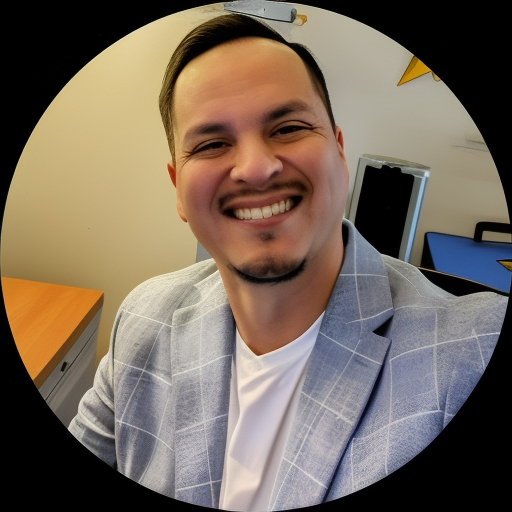
About Francisco
Francisco focuses on practical conversation and concrete steps. He listens for patterns in relationships and memory of past events that shape how a person reacts today. He uses talk-based methods to help people name feelings, rethink unhelpful thoughts, and try small changes between sessions.
When grief or loss is present, he helps people sort what they still carry and what needs to change to move forward. With trauma and abuse histories he pays attention to how connection and trust were affected and how those patterns show up now. For stress and anxiety he looks at thought patterns and daily habits that keep worries active.
He draws on Attachment-Based, Client-Centered, Cognitive Behavioral, Mindfulness, and Narrative approaches depending on what a person needs. That mix lets him work with relationship problems, parenting struggles, and questions about identity or purpose in later life. Francisco aims for clear, manageable steps rather than long lists of tasks.
People who choose him typically want straightforward talk and practical tools. To begin, a short matching questionnaire and scheduling step are used to set up the first appointment.
Areas of expertise
Primary focus
Also works with
Additional focus areas
Therapeutic approaches
Experience
10+ years
Credentials
California
Languages
English, Spanish
How his approaches are used in online sessions
Attachment-Based work looks at relationship patterns and how past connections affect how a person relates now. This approach can help with loss, caregiving stress, and problems in close relationships.Cognitive Behavioral Therapy (CBT) focuses on identifying unhelpful thoughts and trying practical changes in daily routines. It is often used for anxiety, depression, and stress management.
Mindfulness therapy brings attention to present-moment experience and breathing or grounding exercises. It can help reduce rumination and support calmer responses to difficult emotions.
Choosing the right approach is part of the work together. The therapist will discuss goals, try methods, and adjust based on what helps most. That means sessions can blend approaches depending on the issue and what the client prefers.
Confirm the session formats offered before booking if you need a specific arrangement. Online work can make it easier to fit sessions into a busy week, allow shorter check-ins when time is limited, and avoid travel for appointments. It also helps continue therapy through health or mobility changes while keeping focus on concrete tools and relationship patterns rather than long-term disruption.
Frequently asked questions
What kinds of concerns does he help with?
He works with stress, anxiety, trauma and abuse, grief, depression, relationship and intimacy issues, parenting, ADHD, and coping with life changes including aging-related matters.
What is his therapeutic style?
He uses straightforward talk and practical steps, combining attachment-focused work, client-centered listening, cognitive behavioral techniques, mindfulness, and narrative methods as needed.
How much clinical experience does he have?
He has ten years of professional experience as a clinician working with a range of mental health and relationship concerns.
What credential does he hold and where is he based?
He is a California LMFT and practices in California.
Which languages are supported in sessions?
Sessions are offered in English and Spanish.
Can I do sessions if I live outside the United States?
He does not accept international clients at this time.
How are fees handled?
Cost varies with location and sessions use a subscription that can be canceled at any time.
What are the first steps to begin working together?
Click the See online therapy options button, complete a short matching questionnaire, and schedule a first session.