- Stress and anxiety
- Addiction recovery
- End of life support
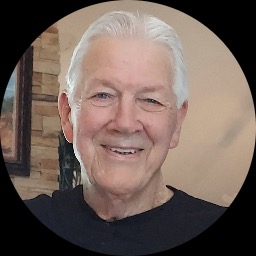
About Burton
Burt helps people set practical goals and rebuild motivation. He encourages active participation in setting therapy goals and uses straightforward conversation to identify unrecognized personal strengths. Sessions emphasize clear steps, concrete goals, and regular check-ins on progress.
His work with addictions includes both alcohol and drug-related concerns and process addictions such as gambling or problematic sexual behavior. He brings decades of experience in recovery advocacy, film projects, and educational work related to alcohol treatment and stigma reduction.
Burt describes therapy as collaborative. He asks clients to define what they want to work on and then helps shape achievable timeframes and tasks. Expect direct discussion of thoughts, feelings, and behaviors, and a focus on practical action toward better daily functioning.
Outside clinical work he has co-produced documentary films aimed at supporting recovery and has participated in academic summer programs on alcohol studies. He and his wife have published a personal memoir that highlights recovery and long-term relationship repair. These projects inform his practical, experience-based approach to counseling.
Areas of expertise
Primary focus
Also works with
Additional focus areas
Therapeutic approaches
Experience
50+ years
Credentials
Utah, California
Languages
English
Approaches used for online work and how they help
Client-centered therapy focuses on listening and responding to the person in front of the therapist. It helps when someone wants to be heard and to make choices about their own goals. Cognitive behavioral therapy (CBT) looks at how thoughts, feelings, and actions link together and uses practical exercises to change unhelpful patterns. It is often used for anxiety, depression, and stress-related problems.Finding the right approach is part of the work. Burt will talk with each person about their concerns and preferences and will help decide which methods to try. That decision is collaborative and can change as progress is reviewed.
Confirm the session formats available before booking since the biography does not list specific formats. Online options can help fit therapy into an everyday schedule and reduce travel time. They can also allow shorter check-ins or sessions that do not require video when bandwidth is limited. Discuss practical needs with the therapist when you schedule so sessions match daily life and goals.
Frequently asked questions
What concerns does he address?
He works with stress, anxiety, depression, grief, trauma, anger, relationship and intimacy issues, self-esteem, addictions, and coping with life changes. He also focuses on aging and geriatric issues and hospice and end-of-life counseling.
What kind of therapy style does he use?
He uses client-centered therapy, cognitive behavioral therapy (CBT), and existential therapy in practical ways. Sessions emphasize collaboration, goal setting, and concrete steps to change thoughts and behaviors.
How much experience does he have?
He has fifty years of professional experience working in clinical settings and recovery advocacy. His long career includes educational and film projects related to addiction treatment.
What are his credentials and location?
He is an LCSW licensed in California and Utah and practices from Utah.
Which languages are supported?
Sessions are offered in English.
Can international clients work with him?
He does not accept international clients at this time.
How are sessions paid for?
Cost varies with location and sessions use a subscription that can be canceled at any time.
How do I start a first session?
Select the See online therapy options button, complete a short matching questionnaire, and schedule the first session through the site.